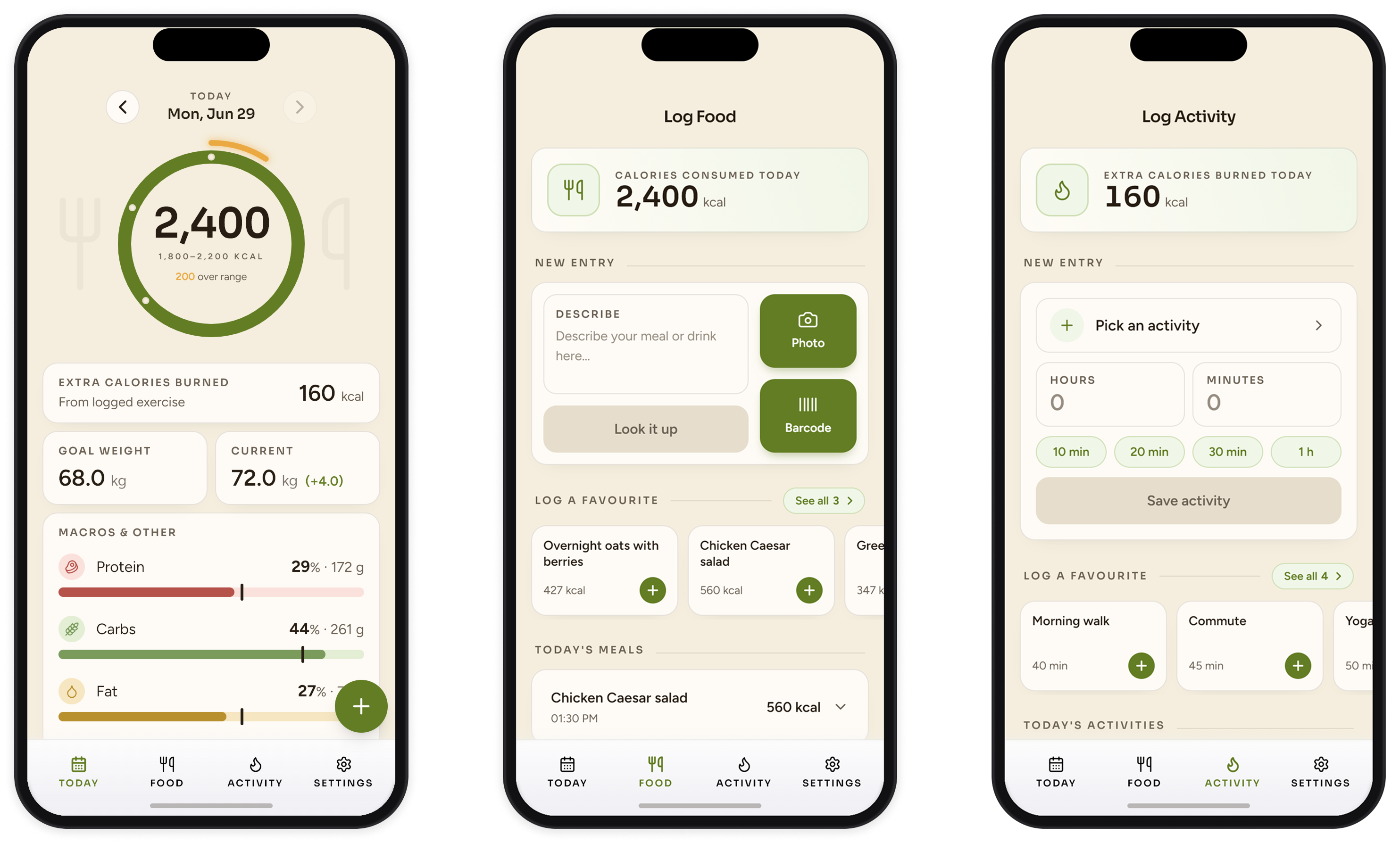
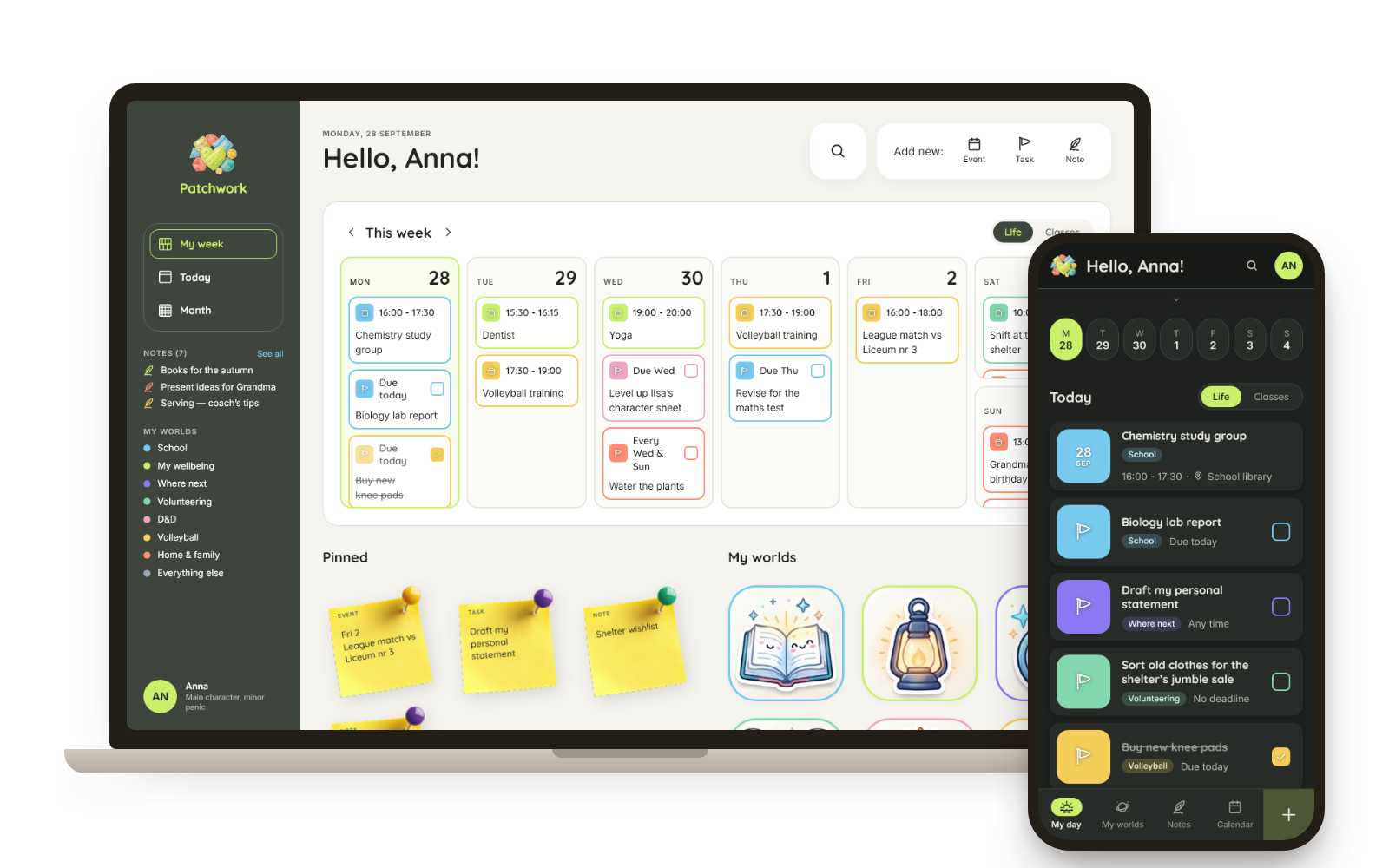
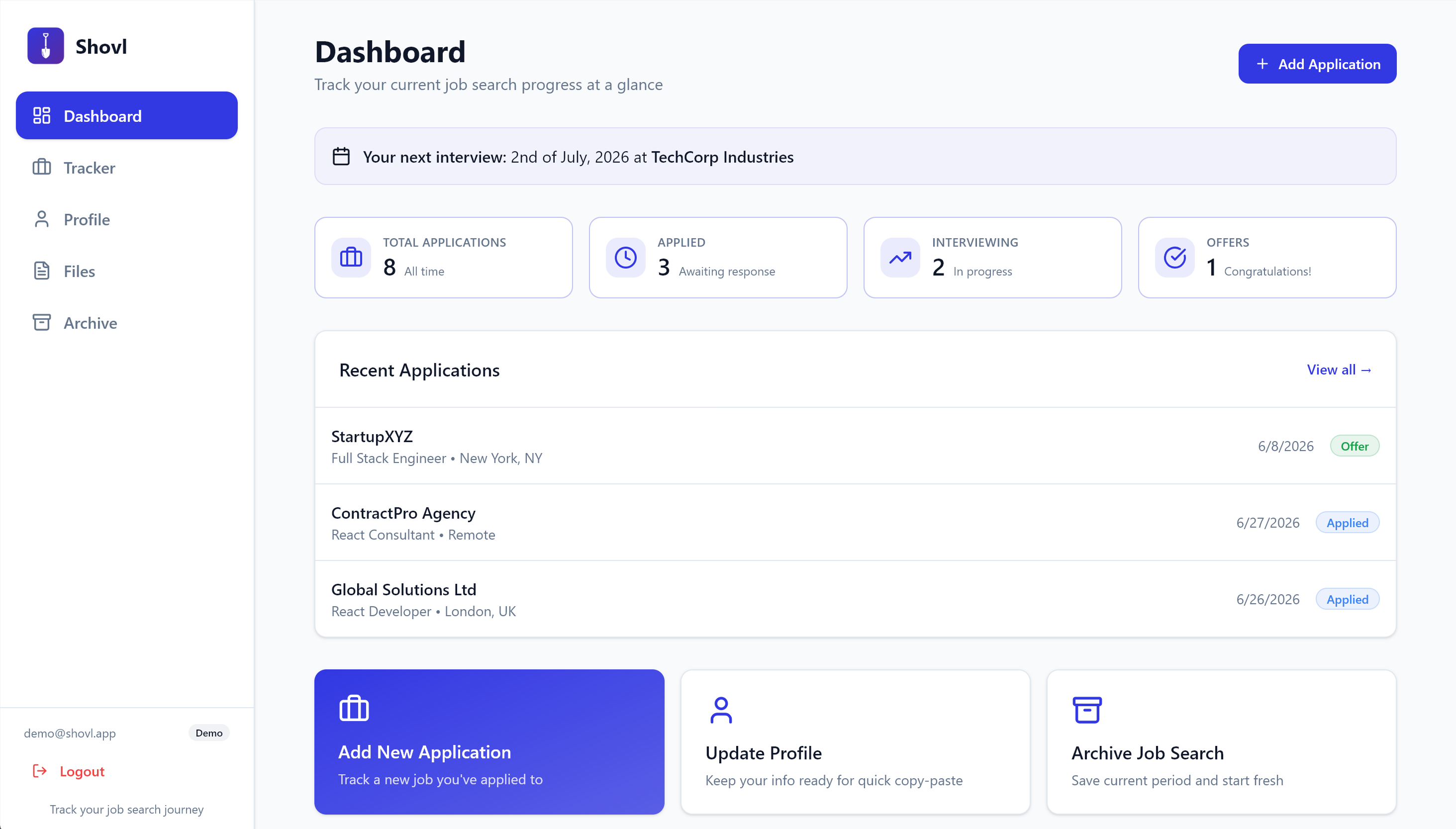
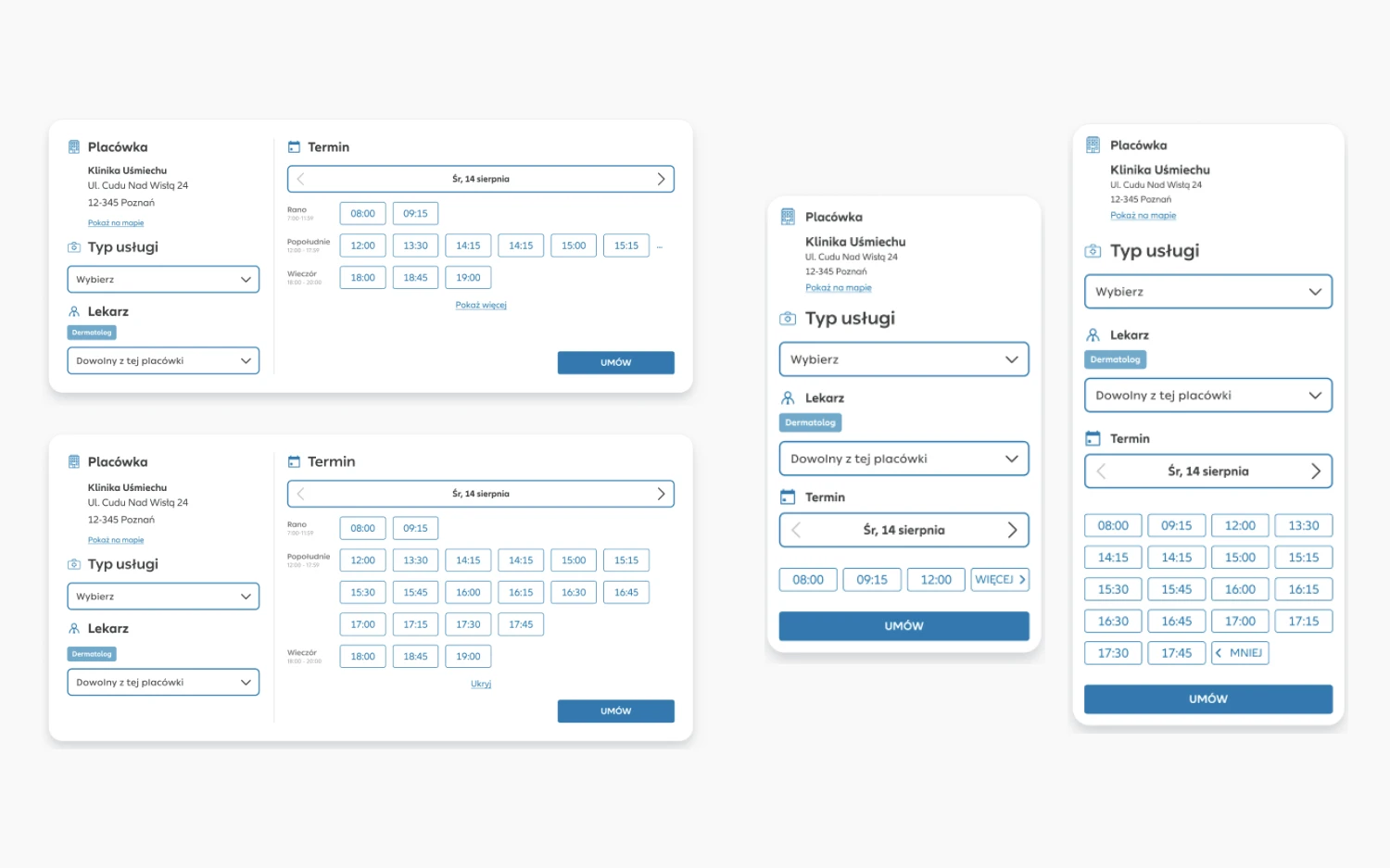
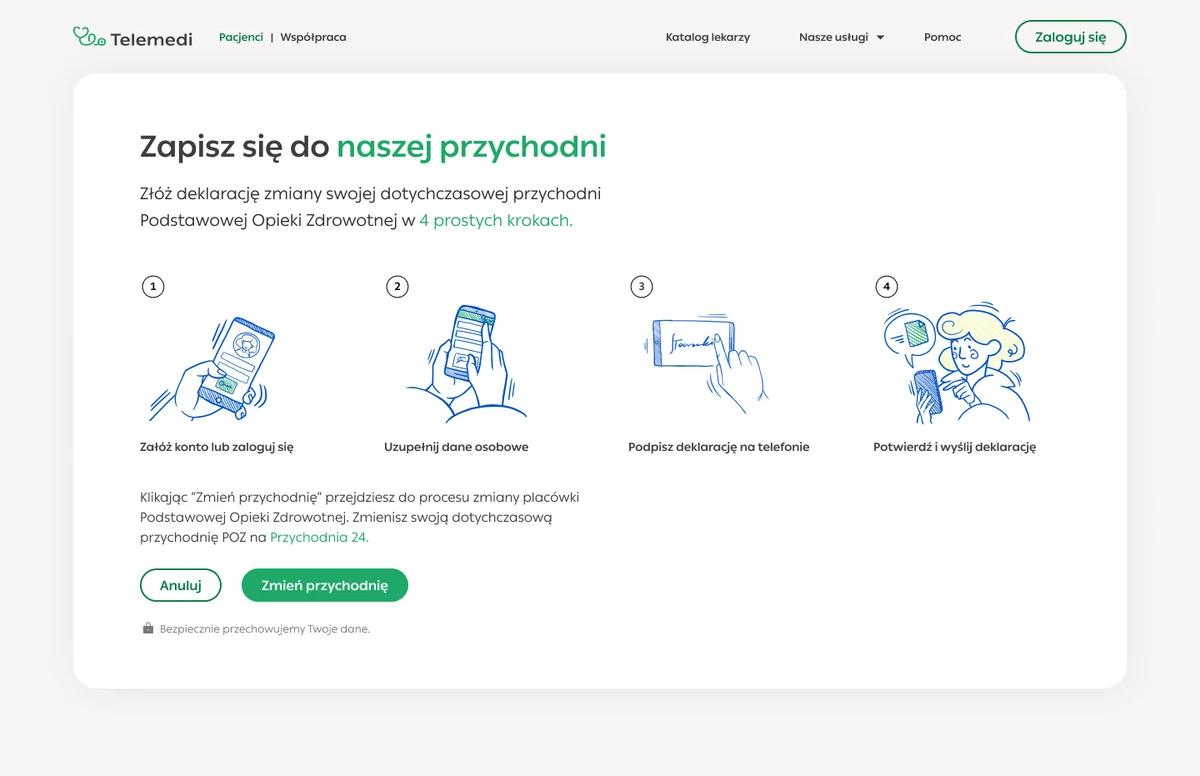
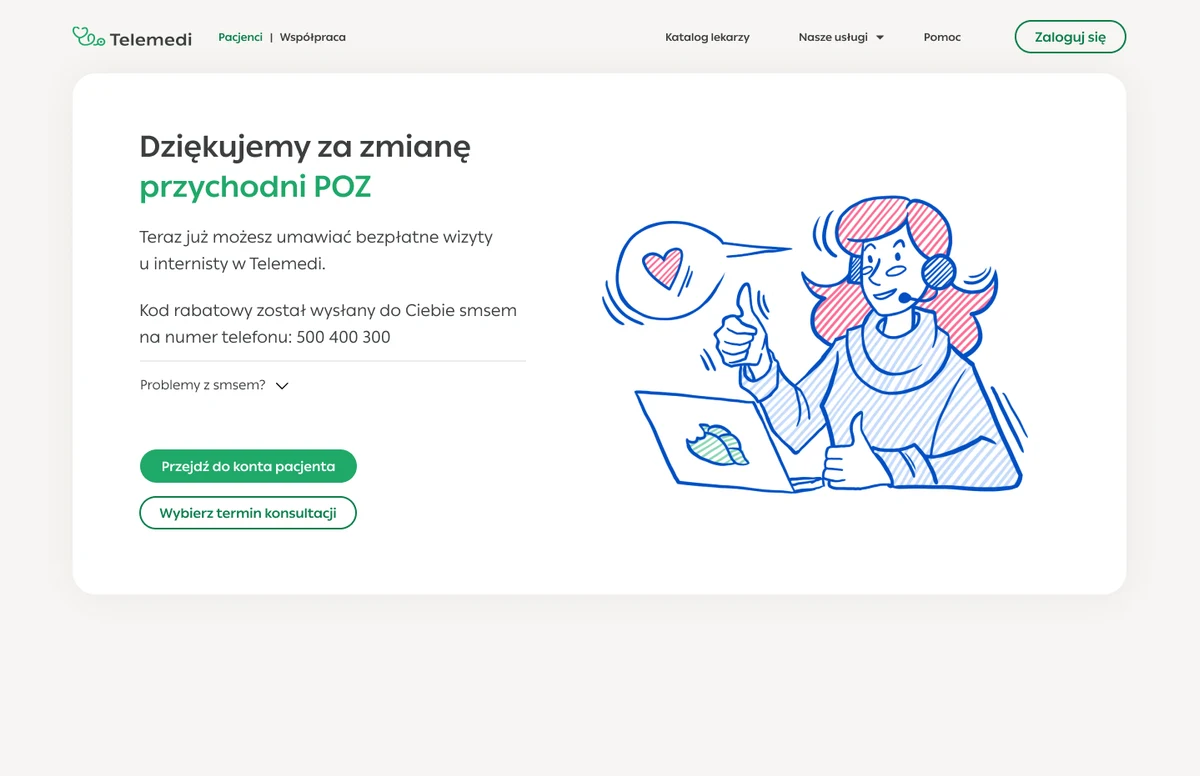
Once the direction is sound, I can move unusually quickly from prototype to implementation. I document the system logic — rules, exceptions, blockers and edge cases — and use that as the basis for the build. I test with seeded data, test manually, and only then connect the system to real data.
After that, the product can start teaching us things that we couldn't have predicted upfront. This is one of the opportunities I find most interesting about AI: when the cost of iteration falls, we can spend less effort trying to perfectly predict user behaviour and more effort observing it and improving the product from evidence.
That doesn't mean shipping something half-finished because it's easy to change. It means building enough quality into the foundation that iteration becomes a deliberate way of learning rather than an excuse for skipping the thinking.
Fast iteration is useful. Low standards aren't.