Senior UX/UI & Product Designer

I make complex things clear

With a pragmatic, systems-minded approach, I work from product logic to interface and use AI to explore, design, prototype and build further than before.

10+ yearsSenior UX/UI & product design across mobile & web
Full surfaceSole designer at a startup, and again at acquisition scale
Digital healthRegulated, high-stakes products at national scale
Shipping with AITwo live apps designed and delivered solo this year

01 — Built end to end

From idea to live

Small, self-initiated products taken beyond the concept stage and into real use. An opportunity to explore product thinking, design and AI-assisted development through the constraints of building something real.

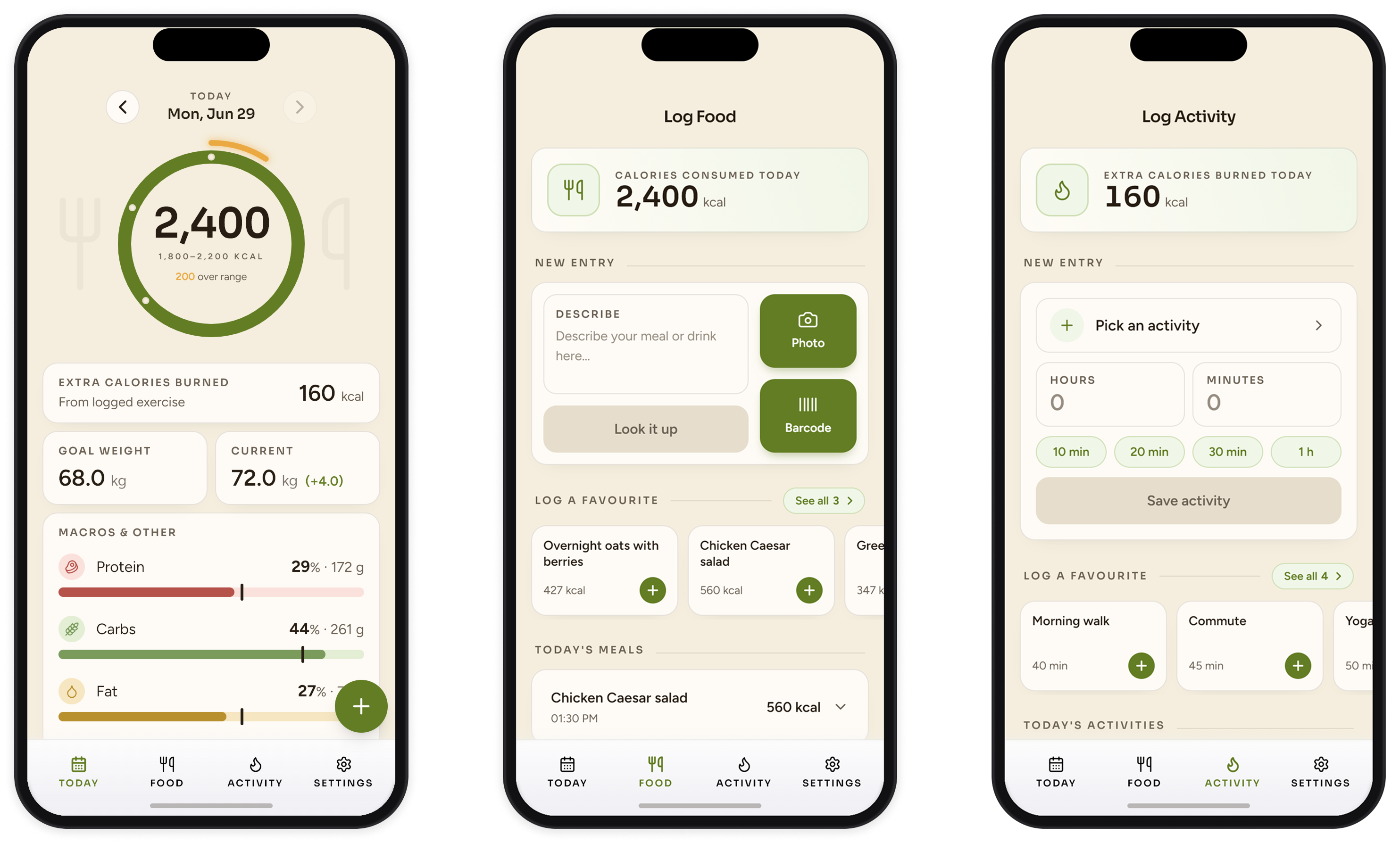
Try it live ↗ Healthy Habits Hub — dashboard, food log and activity log on mobile
2026

Healthy Habits Hub

AI-native calorie & activity log

Claude CodeLovableGemini

Effortless food & activity log that kills the usual friction, gently supported by AI. Quickly snap or describe a meal and the AI reads it, then an approved nutrition database sets the trusted numbers. An AI-native mobile web app.

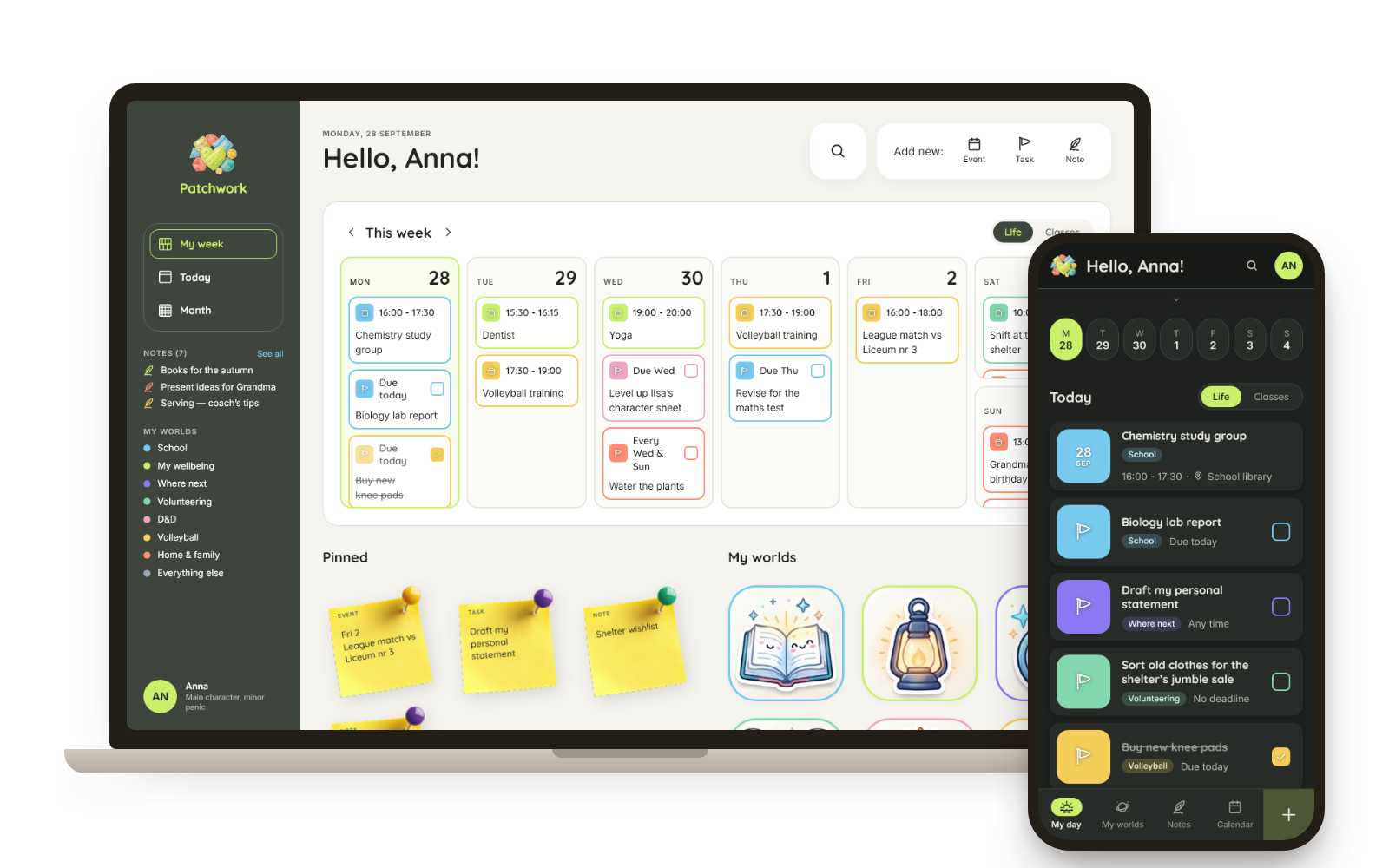
Try it live ↗ Patchwork on a laptop (the week dashboard, light) and a phone (My day, dark)
2026

Patchwork

Life organiser for a busy teenager

FigmaClaude CodeDesign system

A personal life organizer for the many worlds of a high school student: school, wellbeing, uni, hobbies, home... A calmer way to keep track of it all, without typical productivity-app pressure.

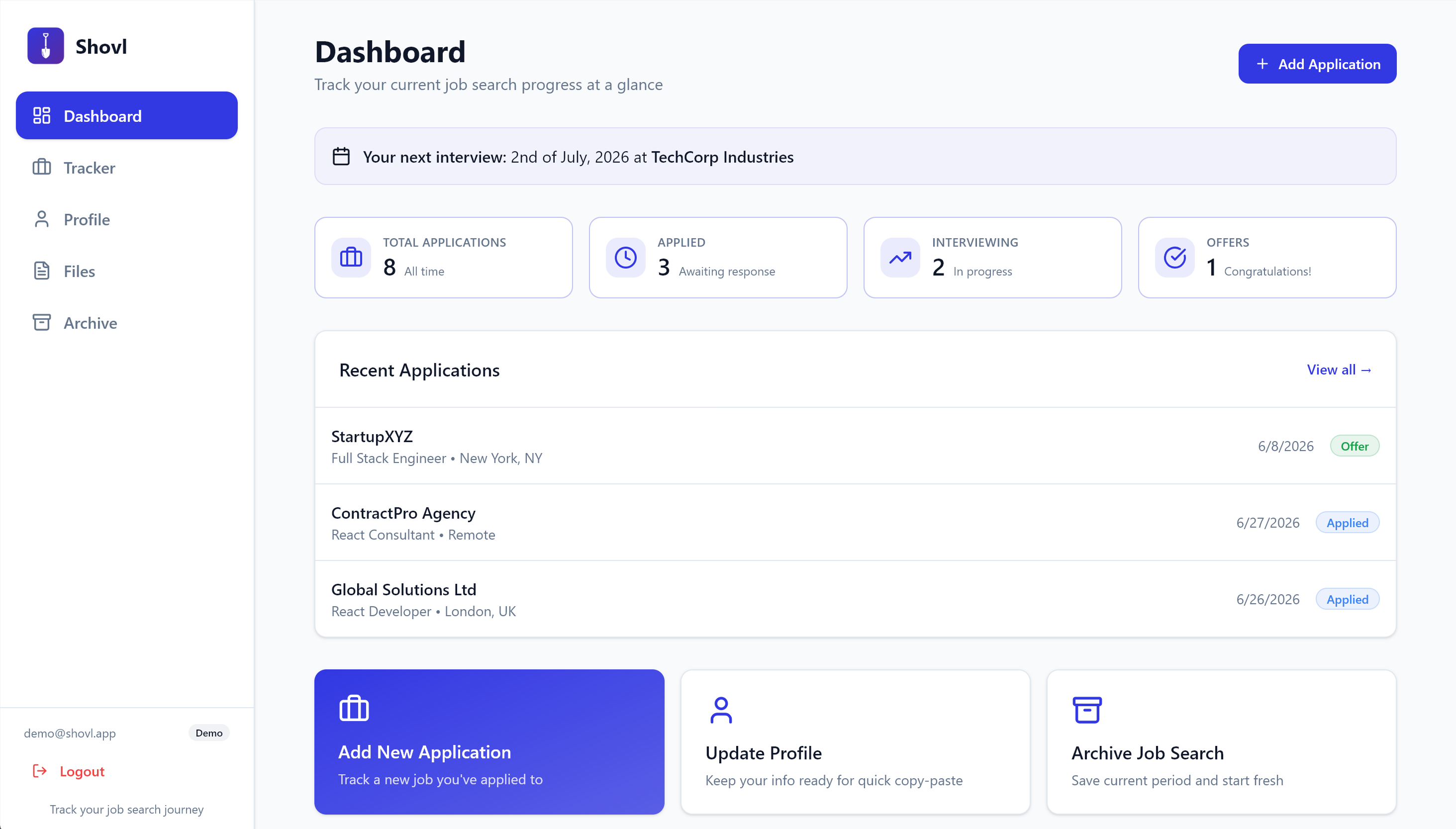
Try it live ↗ Shovl dashboard — the job-application pipeline at a glance
2026

Shovl

Full-stack job-application tracker

LovableClaude Code

Every job application in one place, so tracking where each one stands stays easy. A copy-paste panel for the details forms always ask for, plus storage for your files. Deliberately lightweight. Full-stack: auth, database, uploads, email.

02 — Design in context

Selected work

Four projects where the design problem went beyond the interface. Chosen for the problems they presented and the design decisions that shaped the outcome.

White-labelSSO / integrationB2B systemsMotion

Two brands, one journey

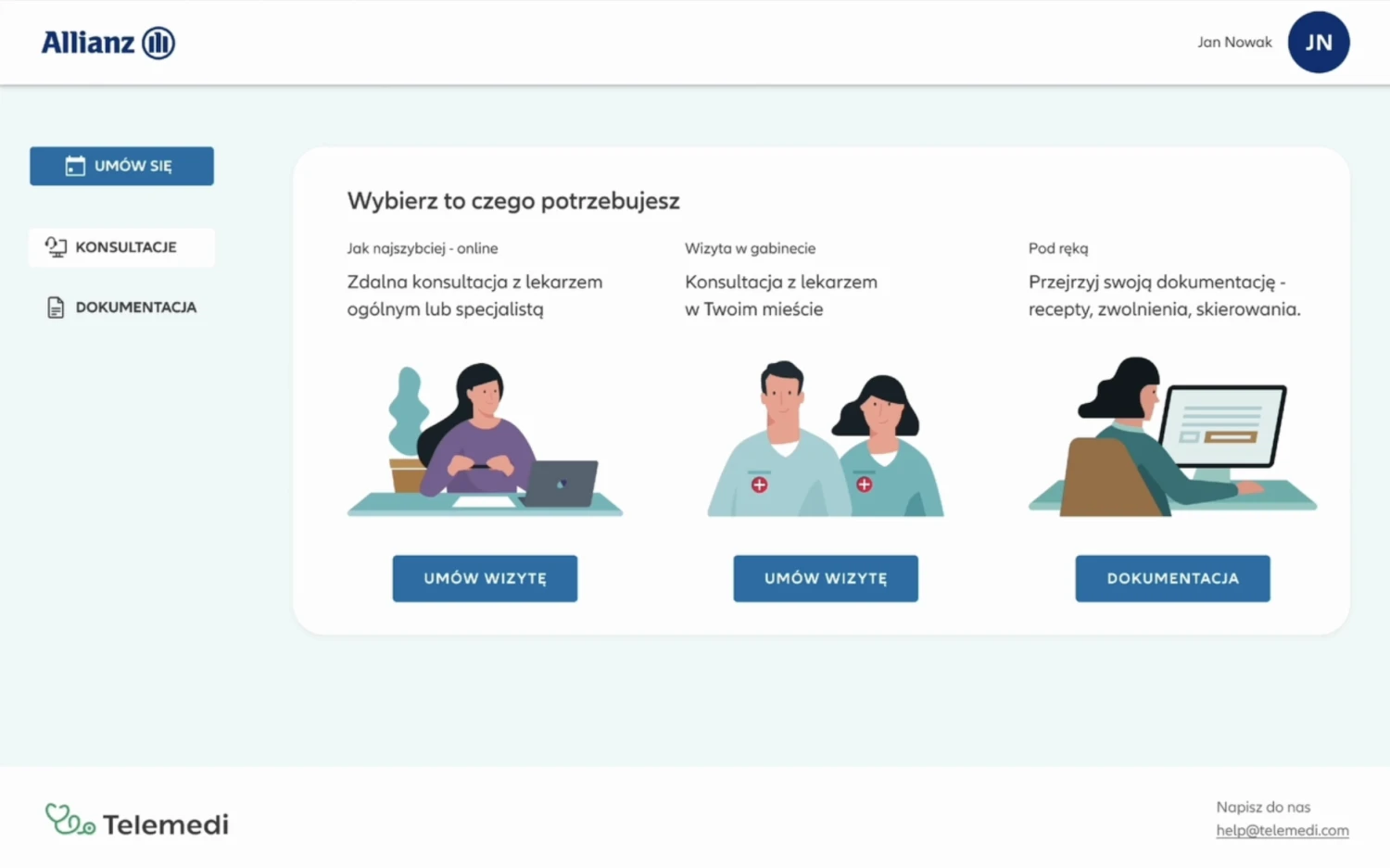
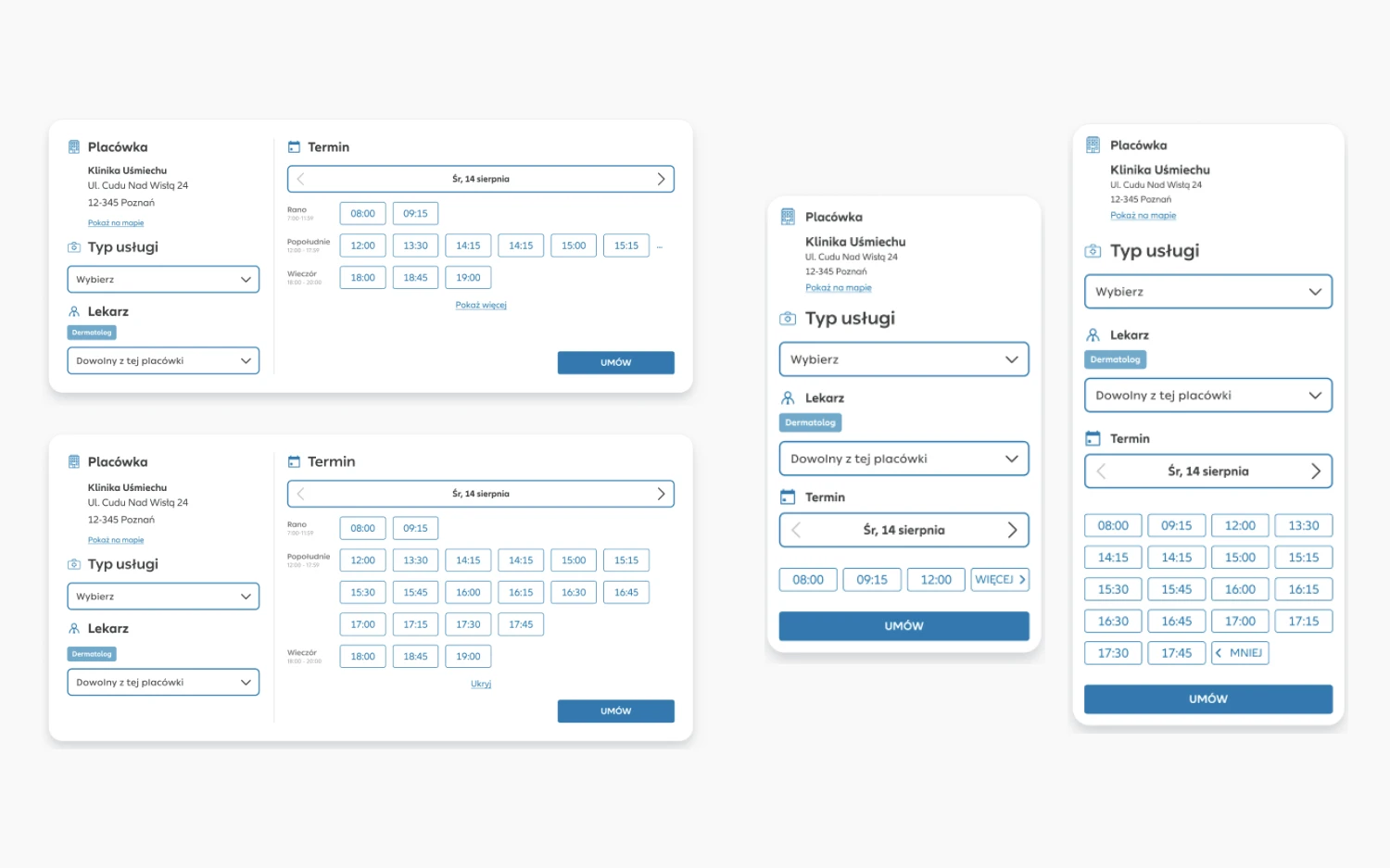
Telemedi's white-label deal let Allianz offer remote and in-person medical care as its own branded service, while the entire system ran on Telemedi's platform underneath. I owned the integration design end to end, from the pre-sales pitch to the customers using it every day.

My role
Sole designer: pre-sales assets, the Allianz-branded reskin, the cross-system SSO bridge, and the customer explainer videos.
Decisions
Designed both ends and the bridge linking them, so patients cross from the Allianz brand into the Telemedi core without a second login or a visible seam.
Outcome
Allianz's remote care service now runs live on the white-label I designed. The pre-sales assets helped win the deal, not just deliver it afterward.
Allianz-branded telemedicine home screen (powered by Telemedi) — a left menu (book, consultations, documentation) and three service cards: online consultation, in-office visit, and medical documentation Allianz-branded appointment-booking tile in four variants — two wide desktop cards (collapsed and expanded time-slot grids) and two compact tiles — each with clinic, service-type and doctor selectors and a day's available slots
Enrollment flowUX/UIPrototypingRegulated

The patient enrollment flow

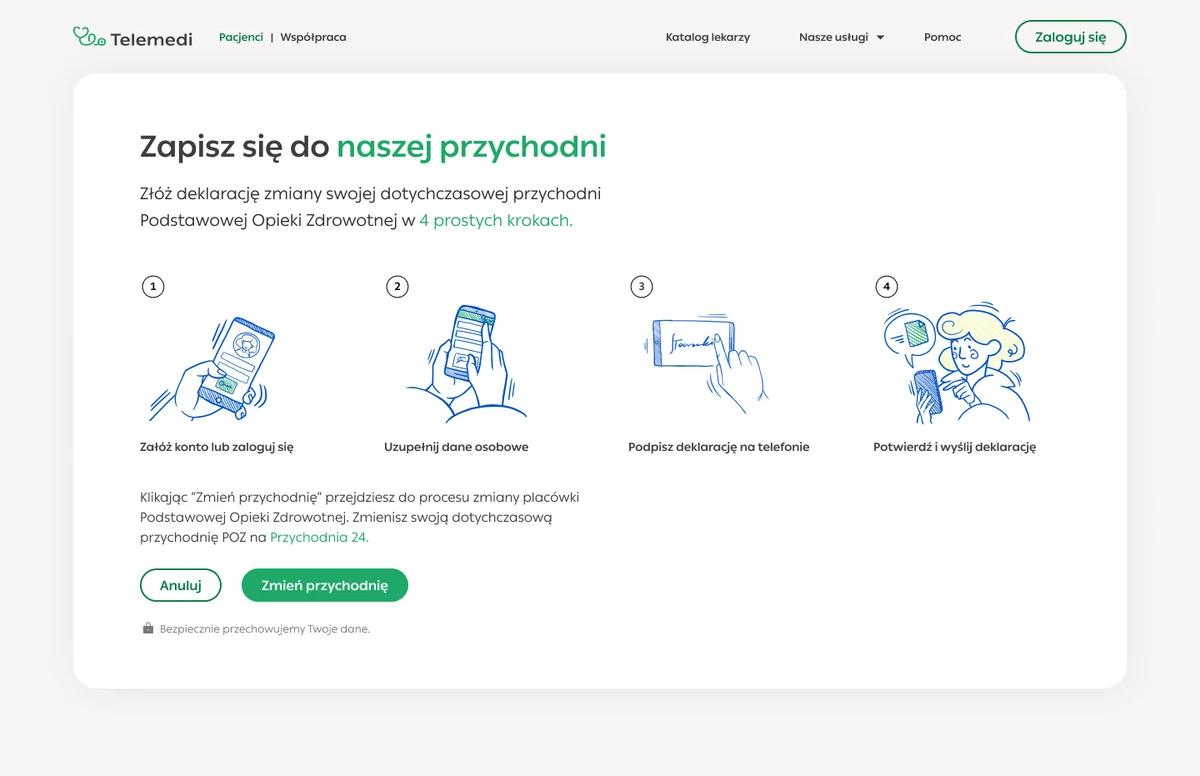
A legally binding sign-up for a Polish national health system (NFZ) online clinic service. Made to be compliant to the letter, and genuinely understood by the patient.

My role
Lead designer: the national health-system enrollment & patient flow, the layouts, and the prototyping.
Decisions
Designed a welcoming info landing page before the formal process, kept the bureaucracy in the background where the law allowed, and tracked retention on each mandatory step.
Outcome
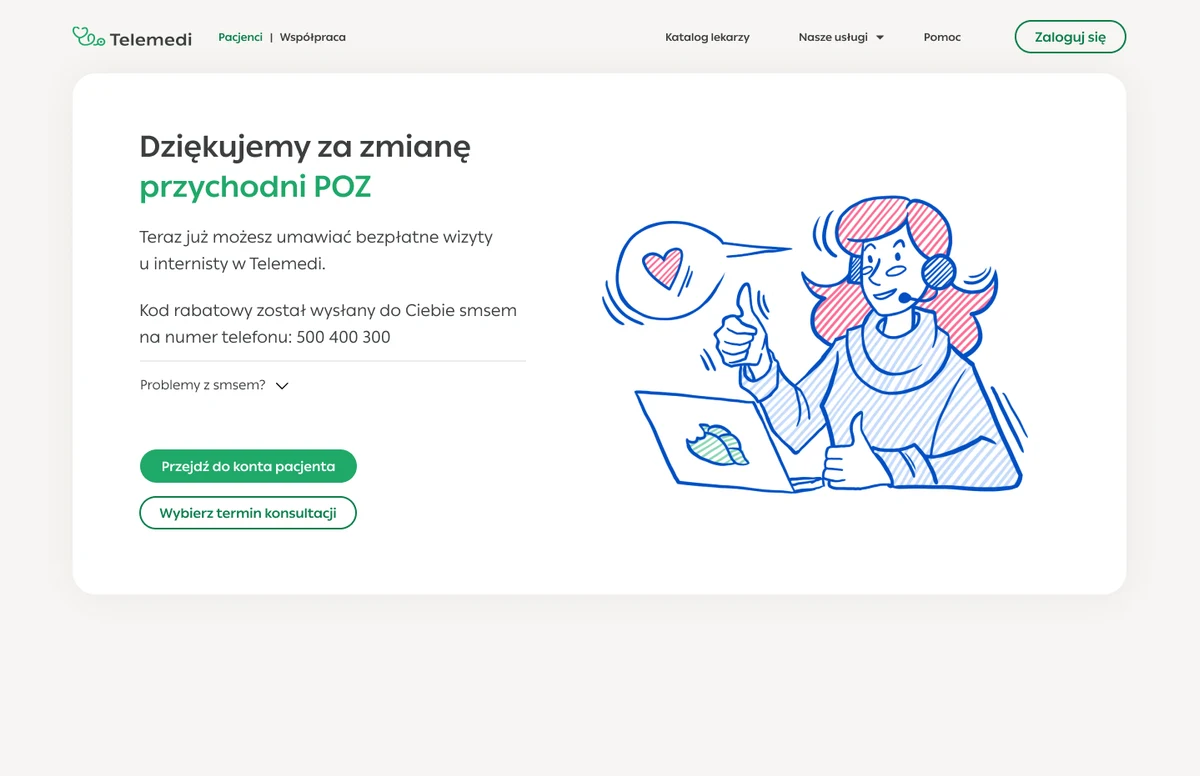
By the end of 2022, over 21 000 patients had signed up through the flow I designed, making the clinic one of the country's top 3 providers of online primary care (POZ) consultations.
Telemedi NFZ info landing page — 'Zapisz się do naszej przychodni', with the site's real nav bar and friendly illustrations introducing the four-step online sign-up for free public primary care Telemedi NFZ enrollment confirmation — 'Dziękujemy za zmianę przychodni POZ', the thank-you screen shown after a patient completes the sign-up
IANavigation mappingStakeholder alignmentForesight

A purposeful architecture

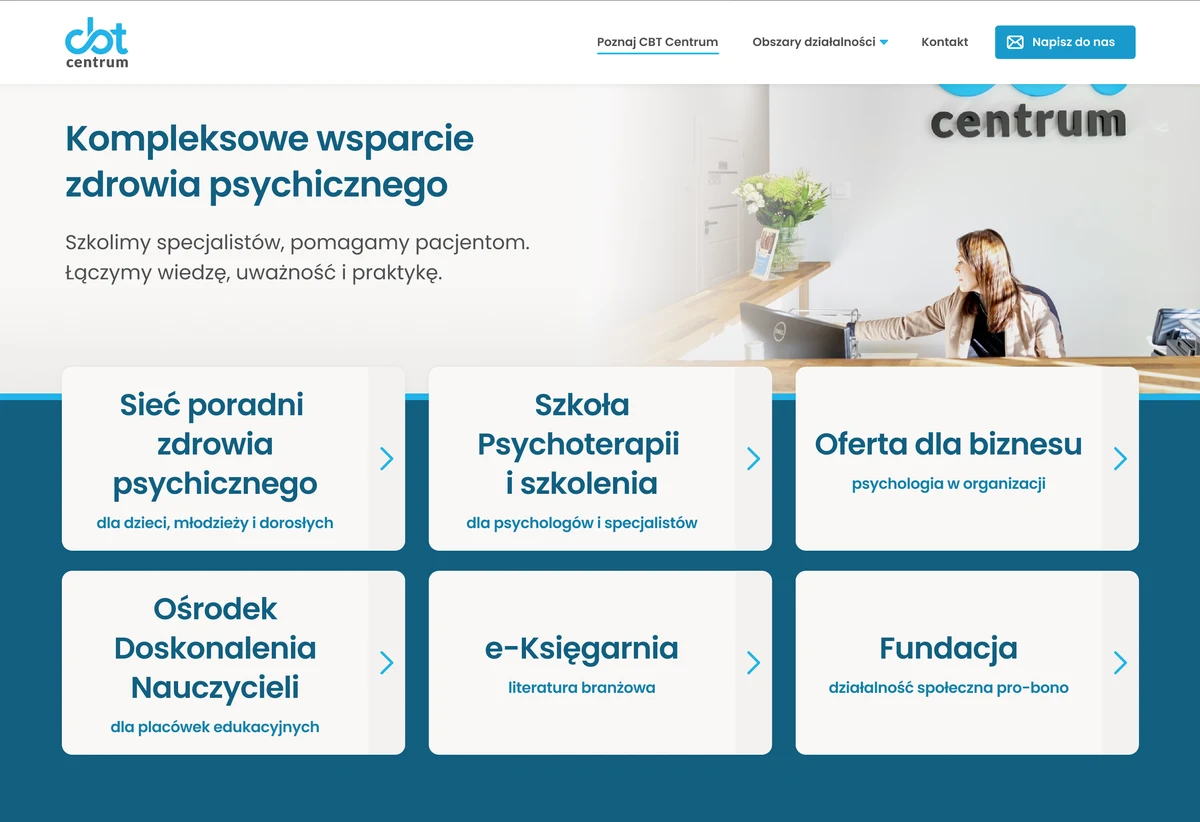
A site serving four audiences that share the domain but not the reason to be there. I restructured it around one idea: a minimal main page that routes, and rich per-audience landing pages where the directed traffic actually lands.

My role
UX/UI designer (contract) — the site review, the IA/content restructure, the navigation mapping, and a visual refresh.
Decisions
Grounded the four branches in conversations with the people who actually knew each department and worked with its customers, and validated the structure with the stakeholders (wireframes and prototypes) before production.
Outcome
Four different audiences, each served by its own branch with dedicated CTAs. The project designs delivered on time, in full scope.
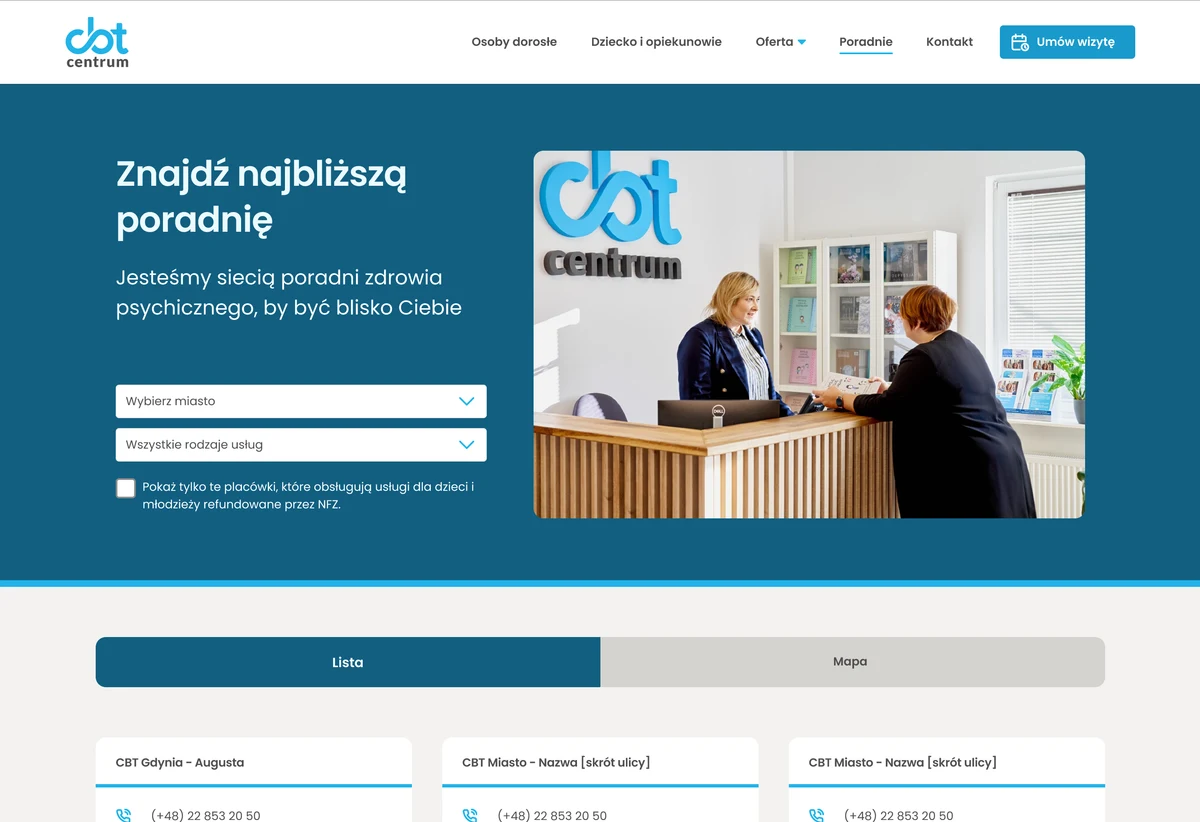
The CBT Centrum main page — a lean router hub: a short hero statement above six cards routing to clinics, professional training, business offers, teacher programmes, the bookshop and the foundation A CBT Centrum branch landing page — 'Find your nearest clinic', with city and service filters above a list of clinic locations
BrandProduct UXIllustrationPrintMotion

Growing with a startup

Audiotrip's only designer for five years — from inherited, basic MVP designs to national awards, European accelerators, and a Kickstarter campaign. Growing with it the whole way, learning to make whatever each new stage needed.

My role
Sole multidisciplinary designer — brand, product UX, illustration, print, motion, and the pitch decks.
Decisions
Built one light, clear, welcoming style: modern mobile layouts and hand-drawn illustration, suited to travel. Used it across both customer-facing work and professional business materials.
Outcome
Poland's most-awarded startup of 2014, a place in three European accelerators, and the main prize at Startup Sauna.
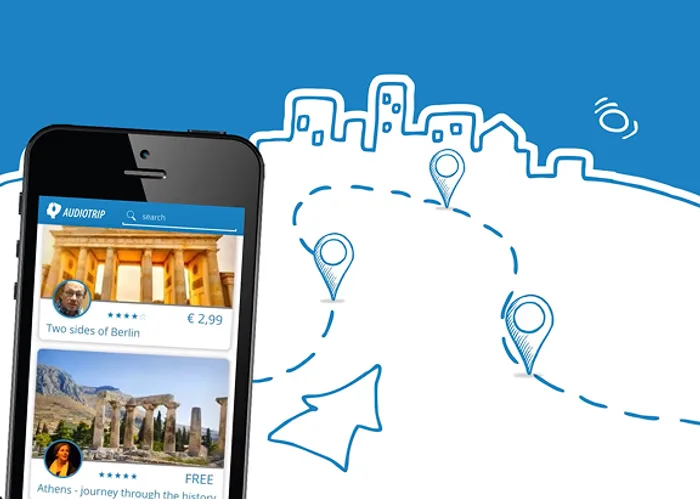
The Audiotrip app icon on the brand's hand-drawn traveller-motif pattern Audiotrip key visual — a phone showing the trip catalogue beside a hand-drawn city skyline and a dashed travel route Audiotrip onboarding screen — 'Listen to amazing stories uncovered for you' — over a photo of someone listening on headphones
Claude Code Claude Design Lovable Figma Framer After Effects DaVinci Resolve

03 — Design process with AI

Build quickly, think slowly

The range of what I can take from idea to reality has expanded dramatically with AI. When I first started using these tools seriously, I was genuinely excited by how quickly I could prototype, build and explore ideas. But when production stops being the main constraint, knowing what to make, what to question, and when not to build becomes even more important.

Now I use AI extensively, still with excitement, but with considerably more restraint than I started with. The faster I can create, the more carefully I have to think.

What I believe...

Structure before surface

Before I focus on how something looks, I want to understand how it works: the flows, the logic, the relationships between things, and what happens as the system grows. A good interface makes that structure clear, not just pretty.

Start small and think carefully

I try to establish only the assumptions that genuinely need to be true (the goal, the constraints, the non-negotiables) and leave the solution open enough to discover. This matters even more when AI can turn a premature assumption into a fully formed product remarkably quickly.

Design has to serve reality

A product has to survive contact with engineering, data, users and the messy conditions of the real world. I design towards what can actually ship, work closely with the people who own the constraints, and leave room to learn from what happens after launch.

Keep expertise in the loop

AI can take me surprisingly far outside my usual territory. I use that range, but I remember not to confuse being able to produce something with being qualified to own its consequences.

On the changing process

I used to think of the design process as a sequence: understand, design, build, test, learn - then start again.

AI has made that sequence much less rigid. I can prototype while working through the logic, test ideas while they're still taking shape, and build things that help answer questions along the way.

The process hasn't disappeared. It has become more interconnected.

Then · sequence


Now · interconnected

More room for the real work.

The most obvious change is speed. I've always been a fast designer, but AI has removed a remarkable amount of mechanical work. Creating component variants, exploring layouts, building interactions or getting a realistic prototype in front of someone can now take a fraction of the time it used to.

The real benefit however isn't producing more screens. It's having more time and attention for the things that are harder to automate: understanding what the product should actually be, thinking through the experience, questioning assumptions and exploring alternatives.

AI is also useful when I'm stuck. I can use it as an always-available thinking partner — to challenge an assumption, walk through edge cases, find gaps or suggest directions I hadn't considered. Sometimes it gives me a genuinely better idea. But the useful part is not that it gives me an answer. It's that it gives me more things to think about.

Prototype early. Don't fall in love with it.

Fast prototyping has probably been the biggest practical improvement to my design process. An interactive prototype can communicate something that a collection of static screens can't. Stakeholders don't have to imagine how a flow works — they can use it. And because I can get to that level of fidelity much faster, I can use prototypes much earlier as a way of thinking and communicating.

But there is a catch.

When making something takes very little time, it's easy to show it before you've really thought it through. And once a realistic-looking version is in front of people, the conversation can shift from "Is this the right direction?", to "How should we improve this version?". That's how a quick experiment can quietly become a commitment.

I've become much more deliberate about what I show and when. A prototype is a hypothesis, not a decision. Its speed is valuable precisely because it gives us permission to question it.

The starting point matters.

Working effectively with AI has taught me that context is part of the design work. I usually start with a clean environment and make the important constraints explicit. I think carefully about the initial instructions, trying to give the model enough information to understand the problem without prescribing the solution.

The goal isn't to construct the perfect prompt. It's to establish a small set of sound assumptions and give the exploration a good place to start.

I also separate exploration from implementation. First we plan, question and clarify. Then we build. The same applies to the interface itself. I establish the design system early rather than letting individual screens accumulate their own decisions. It can evolve, but the surfaces should come from a system.

This matters because AI is very good at turning small assumptions into a lot of output. If the starting point is wrong, it can simply help you get further in the wrong direction, faster.

Being able to build isn't the same as being able to own the outcome.

AI has taken me much further into building than I could previously go on my own. I can build substantial frontends, work through product logic and collaborate on backend structure. I've also built a few small projects privately from scratch to a full live product.

But being able to make something work isn't the same as being qualified to own every consequence of how it works.

For small private experiments, I'm happy to push those boundaries. The risks are limited, and the learning is valuable. For a real product, I want competent people involved wherever the consequences exceed my expertise — particularly around backend architecture and other technical areas where a superficially working system can still introduce serious problems.

That's not a retreat from building. It's the same collaboration I've always had with developers, just from a different starting point. AI lets me get further before I need that collaboration. It doesn't make the collaboration less important.

Build, test, and learn.

Once the direction is sound, I can move unusually quickly from prototype to implementation. I document the system logic — rules, exceptions, blockers and edge cases — and use that as the basis for the build. I test with seeded data, test manually, and only then connect the system to real data.

After that, the product can start teaching us things that we couldn't have predicted upfront. This is one of the opportunities I find most interesting about AI: when the cost of iteration falls, we can spend less effort trying to perfectly predict user behaviour and more effort observing it and improving the product from evidence.

That doesn't mean shipping something half-finished because it's easy to change. It means building enough quality into the foundation that iteration becomes a deliberate way of learning rather than an excuse for skipping the thinking.

Fast iteration is useful. Low standards aren't.
AI can shorten the distance between an idea and reality. It can't tell you whether you should make the journey.
Joanna Jewstrat

04 — How I got here

Many crafts, one mindset

I've never been just one kind of designer — print, brand, product, motion, now working software. The tools keep changing, but the mindset never does. Every time, it's the same: drop into an unfamiliar system, learn it from the inside, and make something worth using.

My path has taken me through very different kinds of challenges, each adding something to how I work today. From learning the craft by making things with my hands, to growing with a startup, taking on complex systems at national scale, and now using AI to expand what I can design and make.

2008

Hands & machines

This is where it all started: a small print & sign studio. Surrounded by machines and learning the craft of turning designs into physical things.

2013

Whole surface

An early-stage startup that formed the foundation of who I am as a designer. I grew with it, learning whatever each challenge demanded, as its only designer.

2021

Real stakes

A new challenge: designing digital health products at national scale. It taught me how much I enjoy working with complex operational and regulated systems.

2026

New ground

The biggest shift yet: AI opened up a completely new way of working for me, bringing a new kind of excitement and a whole new set of challenges.

Away from the screen is actually where a lot of my design thinking comes from. Unfamiliar, high-stakes environments demand a truly open mind and careful judgment of what's real. They've taught me to keep only what serves a purpose, learn fast, and make the best of it. The same judgment I bring to the work.

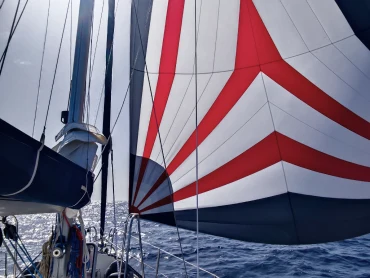
A spinnaker sail filled with wind aboard a sailboat mid-ocean
Two Atlantic crossingsSailboat prep · ocean-tested
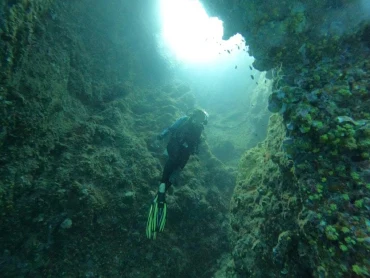
A diver exploring a sunlit underwater cave
DivemasterCertified pro diver
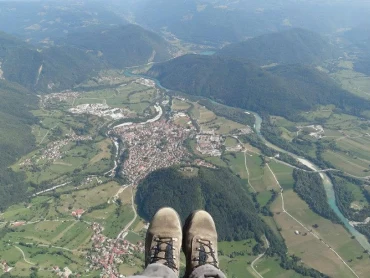
A paraglider's-eye view of boots hanging over a river valley and town far below
At home in the airParaglide pilot · aviation pro
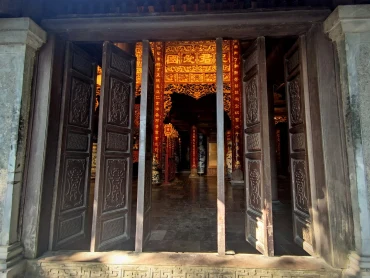
Ornate temple doors opening onto a golden-lit inner hall
Life across continentsEurope · Caribbean · SE Asia

05 — Open to the right role

Let's talk

If you think my experience could be useful to your team, I’d be happy to hear what you’re working on, what you’re trying to solve, and see whether there’s a good fit.

Remote · EU+UK work authorization · US/Canada via contractor/EOR

Currently available